

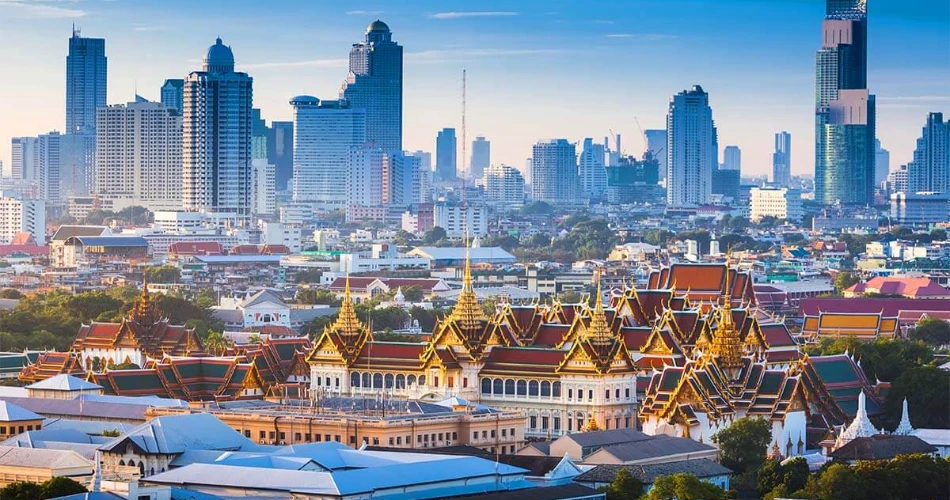
Bangkok, Thailand’s bustling capital, is often described as “The City of Golden Spires” — a title that perfectly captures its breathtaking skyline filled with glittering temples and intricate pagodas. While the city pulses with modern life, it also preserves its deep spiritual roots through hundreds of ancient Buddhist temples (known as wats). These sacred sites aren’t just religious landmarks; they reflect Thailand’s rich history, artistry, and devotion.
1. Wat Arun – The Temple of Dawn
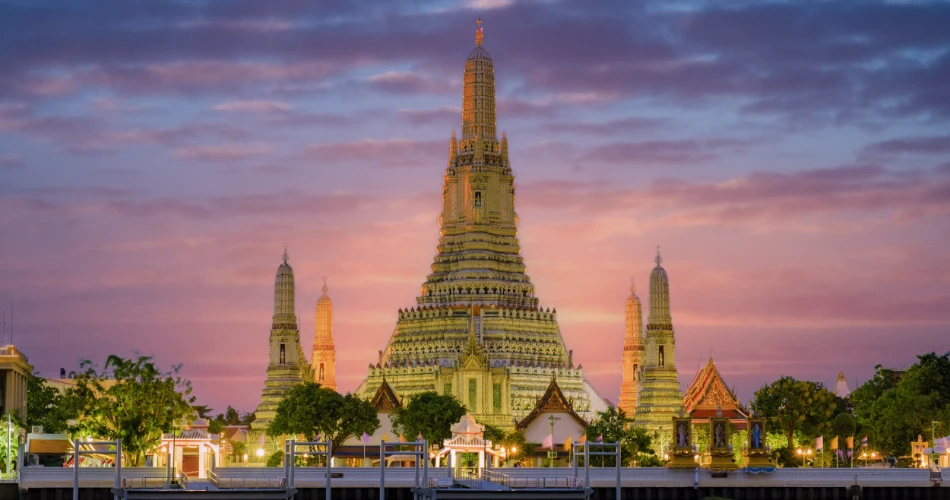
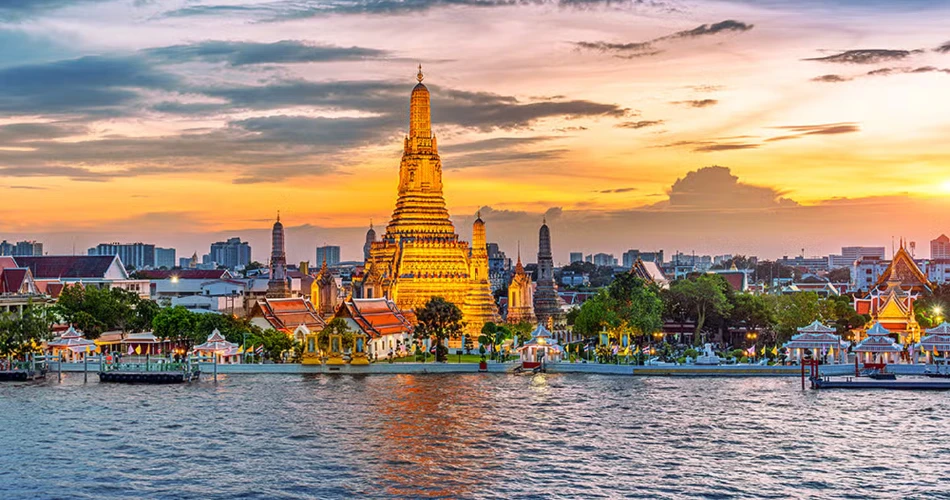
Perched gracefully along the banks of the Chao Phraya River, Wat Arun (Wat Arun Ratchawararam) is one of Bangkok’s most recognized landmarks.
Highlights
-
Famous for its towering central prang (spire) decorated with colorful porcelain tiles that shimmer under the sunlight.
-
Best visited at sunrise or sunset, when the temple glows beautifully over the river.
-
Climb partway up the central tower for a panoramic view of the river and city skyline.
Travel Tip
Take a ferry from Tha Tien Pier to reach Wat Arun easily and avoid the mid-day heat for the best photos.
2. Wat Pho – The Temple of the Reclining Buddha
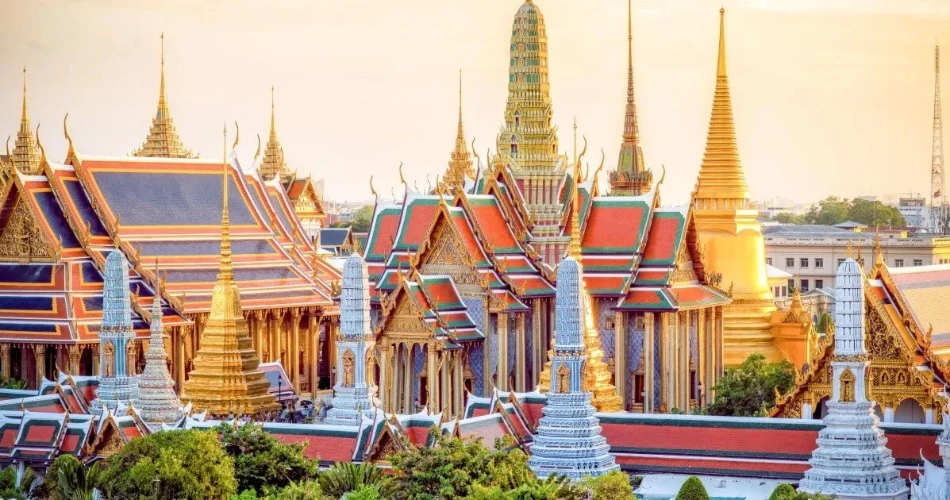
Located near The Grand Palace, Wat Pho (Wat Phra Chetuphon) is one of Bangkok’s largest and oldest temples, famous for housing the magnificent 46-meter-long Reclining Buddha.
Highlights
-
The statue is covered in gold leaf, symbolizing enlightenment and peace.
-
Wat Pho is also known as the birthplace of traditional Thai massage, and visitors can experience an authentic massage within the temple complex.
-
The temple grounds are filled with ornate stupas, peaceful courtyards, and cultural murals.
Travel Tip
Wear comfortable clothing that covers shoulders and knees — and don’t miss the chance to experience a massage after exploring the temple!
3. Wat Phra Kaew – The Temple of the Emerald Buddha
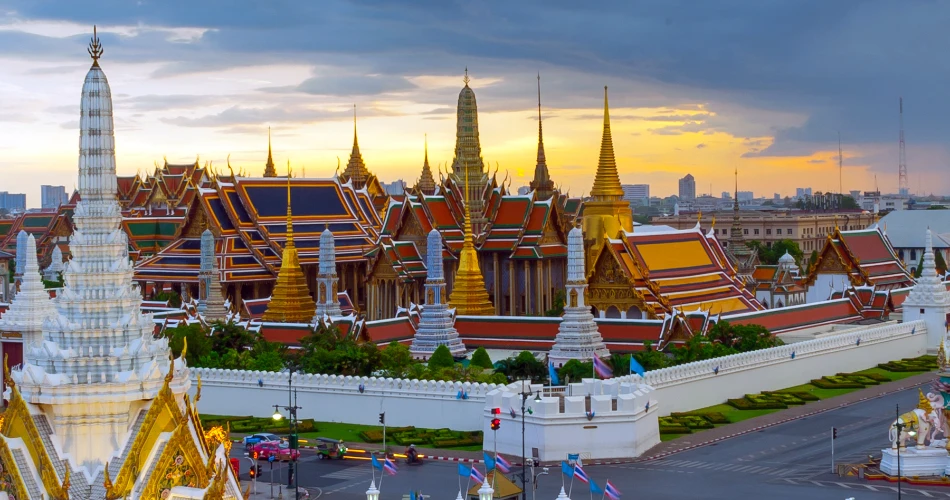
Inside the Grand Palace complex, Wat Phra Kaew (Wat Phra Sri Rattana Satsadaram) is Thailand’s most sacred temple.
Highlights
-
It houses the Emerald Buddha, a revered statue carved from a single block of jade.
-
The architecture showcases incredible craftsmanship — golden spires, jeweled mosaics, and mythological figures guard the temple.
-
Visitors can explore the Grand Palace grounds, a masterpiece of Thai art and royal heritage.
Travel Tip
Arrive early in the morning to avoid large crowds and explore both the temple and palace comfortably.
4. Wat Saket – The Golden Mount
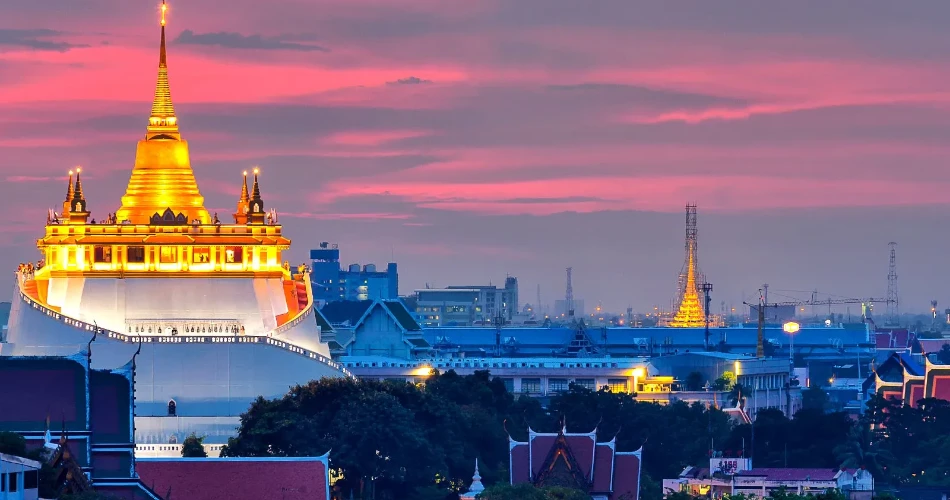
Known for its stunning golden chedi that crowns a small hill, Wat Saket (The Golden Mount) offers both history and serenity.
Highlights
-
Climb 344 steps to reach the top and enjoy a sweeping view of Bangkok.
-
The chedi houses relics of the Buddha and is beautifully illuminated at night.
-
Each November, Wat Saket hosts a Temple Fair, a lively event filled with food stalls, lights, and traditional performances.
Travel Tip
Visit around sunset for the best city views and a peaceful escape from Bangkok’s hustle.
5. Wat Benchamabophit – The Marble Temple
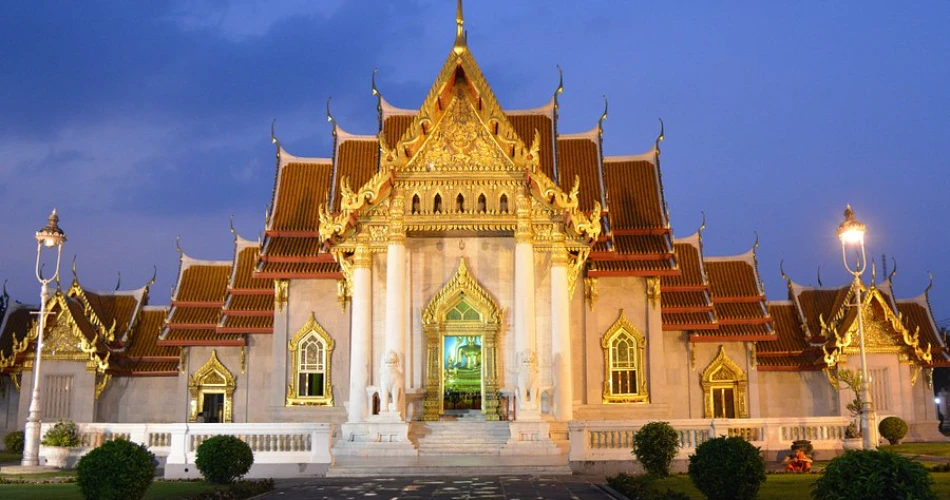
Located near Dusit Palace, Wat Benchamabophit stands out for its elegant design and white marble architecture.
Highlights
-
Constructed from Italian Carrara marble, it combines Thai artistry with Western influence.
-
The temple’s courtyard features bronze Buddha statues and beautiful reflection pools.
-
It’s less crowded than other major temples, offering a quiet, meditative atmosphere.
Travel Tip
Morning visits are ideal for soft light photography — and you can hear monks chanting during early prayers.
6. Wat Traimit – Temple of the Golden Buddha
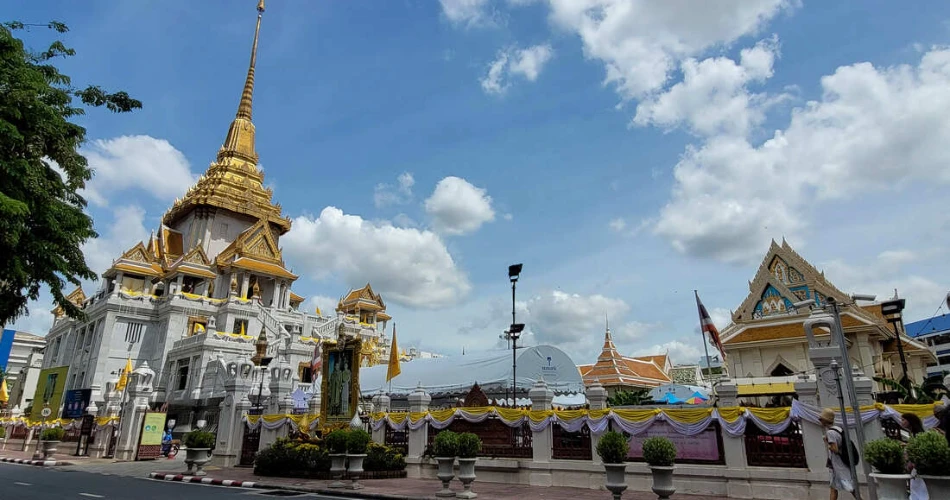
Situated near Chinatown, Wat Traimit (Wat Traimit Withayaram Worawihan) is home to the world’s largest solid gold Buddha, weighing over 5 tons.
Highlights
-
The statue was discovered accidentally when it was dropped during relocation, revealing its pure gold core beneath a plaster layer.
-
The temple also houses a small museum showcasing the history of Chinese-Thai culture in Bangkok.
-
The Golden Buddha symbolizes purity and prosperity.
Travel Tip
Combine your visit with a walk through Yaowarat (Chinatown) for street food and cultural exploration.
7. Wat Ratchanatdaram – The Loha Prasat
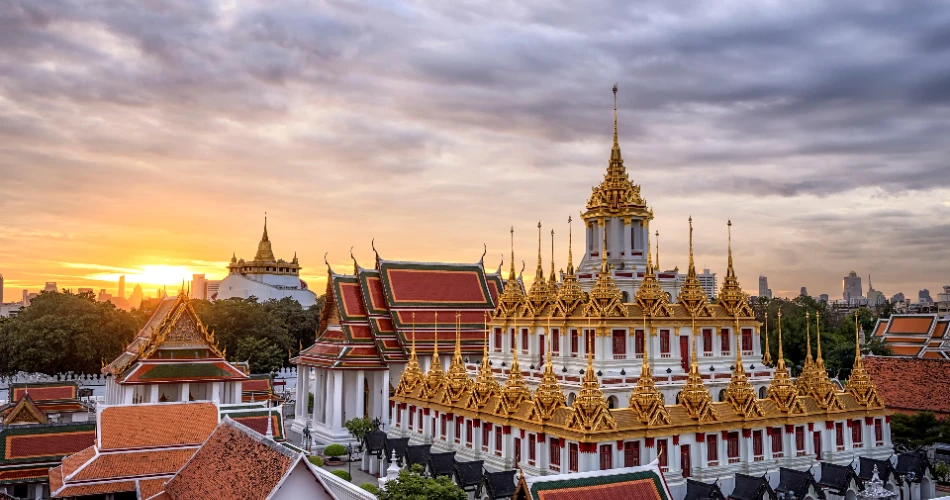
Unique among Bangkok’s temples, Wat Ratchanatdaram features a multi-tiered metallic spire structure known as Loha Prasat, or the “Metal Castle.”
Highlights
-
Its 37 metal spires represent the 37 virtues toward enlightenment in Buddhism.
-
The architecture is unlike any other temple in Thailand — both striking and symbolic.
-
Located near the Golden Mount, you can visit both in one trip.
Travel Tip
Visit in the late afternoon when the sun reflects off the metallic spires for a golden glow perfect for photos.
Temple Etiquette and Visitor Tips
When visiting Bangkok’s temples, it’s important to show respect and follow local customs:
-
Dress modestly: Shoulders and knees must be covered. Avoid tight or revealing clothes.
-
Remove shoes: Always take off footwear before entering the temple hall.
-
Be respectful: Avoid loud talking or inappropriate behavior.
-
Avoid touching monks: Women should not make direct contact with monks.
-
Photography: Ask for permission before taking photos inside prayer areas.
Travel Tips for Exploring Bangkok’s Temples
-
Plan Your Route: Many temples are located near the river or within walking distance of each other — ideal for half-day tours.
-
Use Public Transport: Take the BTS Skytrain or Chao Phraya River Ferry to avoid traffic.
-
Stay Hydrated: Bangkok’s heat can be intense; carry water and wear sunscreen.
-
Best Time to Visit: Early mornings and late afternoons offer cooler weather and fewer crowds.
-
Hire a Local Guide: For deeper understanding, a knowledgeable guide can share fascinating legends and symbolism behind each temple.
The temples of Bangkok are more than just tourist attractions — they’re living monuments that represent Thailand’s spirituality, craftsmanship, and culture. From the shimmering porcelain of Wat Arun to the sacred Emerald Buddha in Wat Phra Kaew, each temple tells its own story of devotion and beauty.